
Tenants Reported No Hot Water, Turned Out the Gas Was Cut Off: Causes, Solutions, and Tenant Rights

Imagine stepping into the shower on a chilly morning only to be greeted by icy water. The first thought is that something is wrong with the boiler, but the truth is often more concerning. In many rental properties, tenants reported no hot water, turned out the gas was cut off — a situation that leaves tenants shivering and frustrated. This comprehensive guide walks you through exactly what to do when you find yourself without hot water, how to identify if the gas supply was intentionally or accidentally disconnected, what your landlord's obligations are, and how to prevent this from happening again. Whether you're a tenant seeking immediate answers or a landlord aiming to avoid disputes, this article covers all the critical details.
Understanding the Core Issue: Why Tenants Reported No Hot Water, Turned Out the Gas Was Cut Off
When tenants reported no hot water, turned out the gas was cut off, the underlying problem usually falls into one of three categories: a billing issue, a safety-related disconnection, or a deliberate shut-off by the landlord or previous occupant. Understanding the root cause is the first step toward resolving the problem.
Gas-powered water heaters depend on a continuous supply of natural gas or LPG. If the gas meter is locked, the supply valve is closed, or the utility company has disconnected the service, the water heater cannot ignite. This often masquerades as a faulty appliance, leading to unnecessary repair call-outs. However, a quick check of the gas meter and a call to the energy provider can confirm whether a disconnection has occurred. In many documented cases, when tenants reported no hot water, turned out the gas was cut off because of an unpaid bill by a previous tenant or a disconnection order that was never communicated to the new occupants.
This scenario is more common than many realize, particularly in high-turnover rental markets. It highlights the importance of clear communication between utility companies, landlords, and tenants, and the need for a thorough inspection when a new lease begins.
Immediate Steps to Take When You Have No Hot Water
If you find yourself without hot water, don’t panic. Follow these steps immediately to diagnose and address the situation.
1. Check Other Gas Appliances
Before concluding that the gas is cut off, verify whether other gas-powered appliances are working. Try turning on a gas stove top or a gas heater. If none of these appliances function, the gas supply to the entire property is likely interrupted. If only the water heater is affected, the issue may be specific to that appliance.
2. Inspect the Gas Meter and Shut-Off Valve
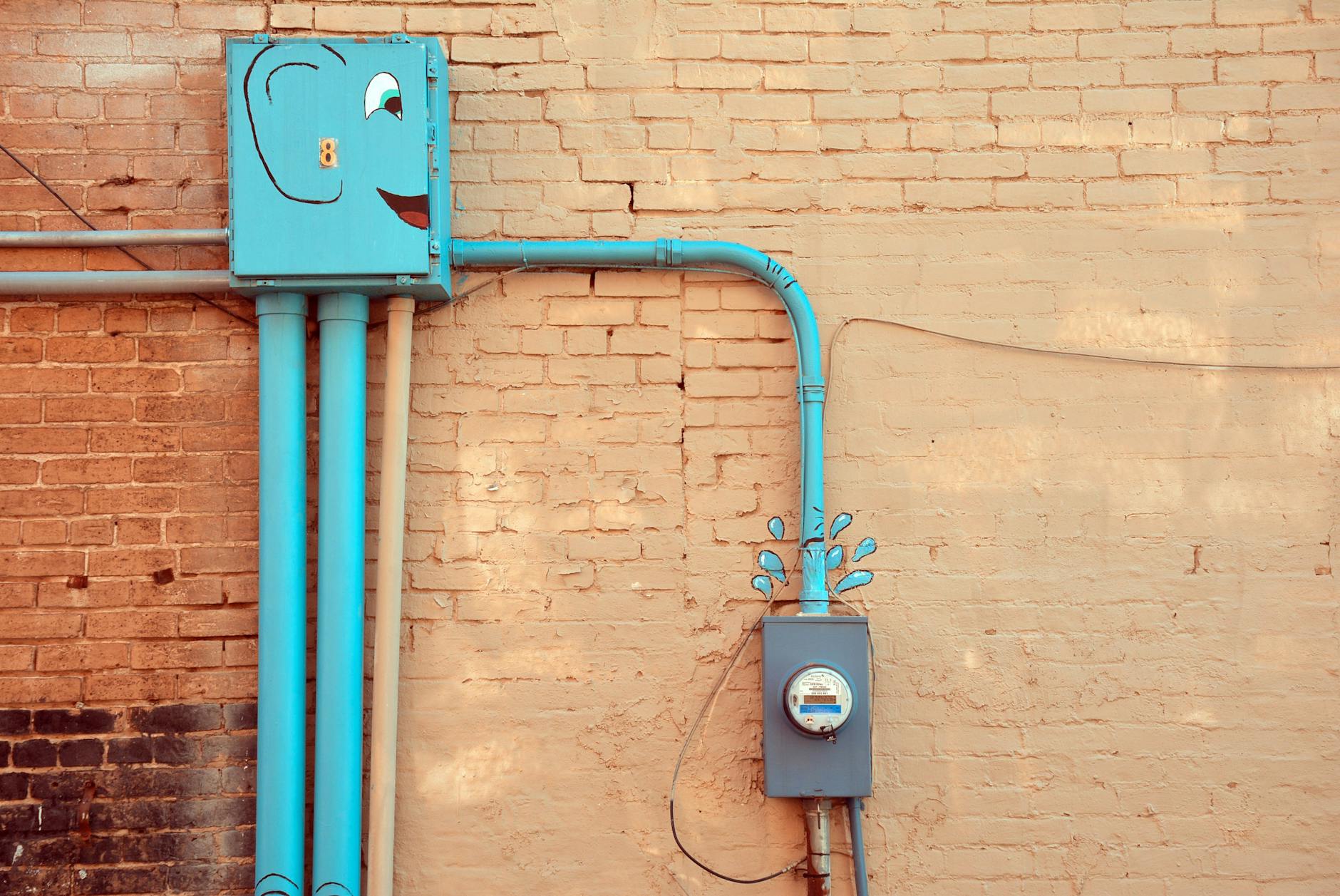
Locate your property’s gas meter — usually outside the house, in a utility room, or in a basement. Check if the meter display is active and if the shut-off valve is in the open position. A locked meter or a valve deliberately turned to the off position suggests an intentional cut-off, which is exactly what many tenants discovered when they reported no hot water, turned out the gas was cut off.
3. Contact Your Energy Provider
Call the gas utility company servicing your area. Provide your address and account details to inquire about the status of the supply. They can tell you if there is an active disconnection order, if the account is in arrears, or if there is an outage in your neighborhood. This step is crucial because when multiple tenants reported no hot water, turned out the gas was cut off, the root cause was often an administrative error or a bill that slipped through the cracks.
4. Notify Your Landlord or Property Manager
Regardless of the cause, you must inform your landlord or property manager in writing. Document the date and time you lost hot water, the steps you’ve taken, and the response from the utility company. In many jurisdictions, a lack of hot water is considered an urgent repair, and landlords are required to act within a legally defined timeframe (often 24 to 48 hours). Failure to do so can lead to compensation claims or lease termination rights for the tenant.
Landlord vs. Tenant Responsibilities: Who Pays for Gas Cut-Offs?
One of the most contentious issues when tenants reported no hot water, turned out the gas was cut off is determining who is financially responsible for reconnection. The answer depends on the reason for the disconnection and the terms of the lease.
When the Landlord Is Responsible
- Disconnection due to landlord’s failure to pay the gas bill, if the utility account remains in the landlord’s name.
- Safety-related disconnection caused by neglect of gas appliances or infrastructure — for example, if the landlord failed to service the gas boiler or repair a gas leak, leading the utility to cut off supply.
- Pre-existing disconnection that was not disclosed when the tenant moved in. A landlord must provide a habitable dwelling, and hot water is generally a legal minimum requirement.
When the Tenant May Be Responsible
- If the gas account is in the tenant’s name and the bill goes unpaid.
- If the tenant deliberately or negligently caused a gas leak or tampered with the meter, triggering a safety disconnect.
- In some leases, the tenant is responsible for all utility accounts from day one. In such cases, failing to transfer the account or set up billing can result in a cut-off.
To avoid disputes, tenants should always document the state of the gas supply on move-in day and clarify whose name appears on utility accounts. A simple photo of the gas meter and a written record can save a great deal of trouble later.
Common Reasons the Gas Gets Cut Off Without Warning
It’s unsettling to wake up to no hot water, and even more so to discover the gas has been cut off. The most frequent reasons include:
- Unpaid Bills: The single largest cause. Even if a tenant is up to date, a previous occupant’s debt can trigger disconnection if the utility company was not updated.
- Safety Violations: Gas leaks, faulty flues, or illegal gas installations can prompt an immediate shut-off by the utility or emergency services.
- End of Contract or Deemed Contract Expiry: Some energy plans end automatically, and if a new contract isn’t negotiated, the supplier may halt service.
- Meter Tampering: Suspected theft or interference with the meter leads to instant disconnection and potential legal trouble.
- Property Vacancy: If a property sits empty for a long period, utilities may be disconnected for safety, and reconnection requires a full inspection.
When tenants reported no hot water, turned out the gas was cut off, many of them learned that the previous tenant had closed their account without ensuring continuity for the new occupant. This administrative gap leaves the new tenant literally in the cold.
How to Restore Gas Service Quickly After a Cut-Off
Restoring gas service requires a methodical approach. The exact process varies by location, but generally involves the following:
- Identify the Reason for Disconnection: You’ll need this from the utility company. If it’s an unpaid bill, payment is required before restoration. If it’s a safety issue, repairs and a re-inspection are mandatory.
- Settle Any Outstanding Charges: If the bill is in your name, clear the debt immediately. If the debt belongs to a previous occupant or the landlord, provide proof of your tenancy start date to the utility company to shift liability.
- Schedule a Reconnection Appointment: Most utilities require a technician to visit the property, physically unlock the meter, re-light pilot lights, and ensure there are no leaks. This can take 1 to 5 business days depending on demand.
- Pass a Safety Inspection: If the cut-off was due to a suspected leak, a licensed gas fitter must certify that the property is safe before supply is restored.
- Confirm Hot Water Is Working: After reconnection, run hot water taps for several minutes to purge air from the pipework and ensure the water heater fires correctly.
It’s worth noting that if the landlord is at fault, tenants may be entitled to reimbursement for temporary accommodation costs or alternative hot water arrangements (like gym memberships for showers). Keep all receipts and communication records.
Legal Rights When Tenants Reported No Hot Water, Turned Out the Gas Was Cut Off
Habitability standards in most common law countries (Australia, the UK, the US) require landlords to provide functioning hot water. When a lack of hot water persists, tenants have powerful legal tools at their disposal.
Warranty of Habitability
In almost every residential tenancy agreement, there is an implied warranty that the property is fit for human habitation. A gas cut-off that leaves you without hot water — especially in winter — breaches that warranty. Tenants can apply to a tenancy tribunal or court for:
- An order compelling the landlord to restore gas supply
- A rent reduction for the period without hot water
- Compensation for consequential losses (spoiled food, alternative accommodation)
Constructive Eviction
If the landlord deliberately cut off the gas to force a tenant out, this constitutes illegal eviction. In case after case, tenants reported no hot water, turned out the gas was cut off by a landlord trying to bypass formal eviction processes. Courts treat such actions harshly, often awarding damages and penalties against the landlord.
Utility Customer Protections
Energy ombudsmen and regulators often have strict rules against disconnecting vulnerable customers, including tenants with medical conditions exacerbated by cold. If the tenant themselves is responsible for the bill but falls into a protected category, they should inform the utility immediately to halt disconnection.
Preventative Measures to Avoid Future Gas Cut-Offs
Prevention is always better than a cold shower. Landlords and tenants can work together to make sure the scenario where tenants reported no hot water, turned out the gas was cut off never repeats.
- For Tenants: Always confirm the status of gas and other utilities before signing a lease. Request a meter reading photo and ask for the previous utility bill history. Immediately transfer the account into your name and set up automatic payments to avoid missed bills.
- For Landlords: Schedule annual gas safety checks and share certificates with tenants. If you retain control of the utility account, monitor bills closely and never let them fall into arrears. Clear communication about account transitions between tenancies is essential.
- Use Smart Monitoring: Consider installing a smart gas meter that sends alerts for low balance or disconnection. Some devices can even notify landlords if the supply is interrupted, allowing rapid response.
Frequently Asked Questions
What should I do if I'm a tenant and suddenly have no hot water?
Check other gas appliances, look at the gas meter to see if the supply is actually off, and immediately inform your landlord and the gas company. Document everything in writing.
Can a landlord cut off the gas on purpose to make me leave?
No. Deliberately cutting off essential services like gas to force eviction is illegal in virtually all jurisdictions. It’s considered a constructive eviction and tenants can seek damages.
How long does it take to get gas reconnected after a cut-off?
Typically 24 to 72 hours after resolving the underlying issue (paying the bill, passing safety inspection). In busy periods it can take up to a week. Emergency reconnections can sometimes happen within a day.
Who pays the reconnection fee if the gas was cut off accidentally?
It depends on who was at fault. If the disconnection was due to the landlord’s negligence or a billing error by the utility company, the landlord or the utility should cover the fee. If the tenant failed to pay the bill, the tenant pays.
How can I check if my gas has been cut off before moving into a rental?
During the move-in inspection, turn on a gas appliance and confirm it works. Record a video of the gas meter with the dials or digital display active. Contact the utility company to confirm there is no debt attached to the property.
Is a landlord required to provide hot water?
Yes. Hot water is considered an essential service under most residential tenancy laws. A landlord who fails to provide it can face orders to repair, fines, and compensation claims.
Conclusion
Few things are as disruptive to daily life as losing hot water unexpectedly. As this article has shown, when tenants reported no hot water, turned out the gas was cut off, the situation is almost always solvable with prompt action and clear knowledge of rights and responsibilities. Understanding why gas gets disconnected, knowing the immediate steps to take, and being aware of the legal protections available can turn a panicked moment into a manageable problem. Whether you’re a tenant shivering through a cold morning or a landlord trying to maintain a good relationship with your renters, communication, documentation, and swift resolution are the keys to ensuring everyone stays warm and safe.