
Mortgage Stress Ripples Across Sydney: How Rising Rates Are Reshaping the Property Market

Mortgage stress ripples across Sydney are no longer a distant warning from economists—they are now a painful reality for thousands of households. As the Reserve Bank of Australia continues its aggressive tightening cycle, the interplay between soaring repayments, falling property values, and stubborn living costs has created a perfect storm. The macro business implications extend far beyond individual borrowers, threatening to reprice entire suburbs and reshape the city's long-held property wealth narrative.
How Mortgage Stress Ripples Across Sydney Became a Macro Business Shock
The phrase mortgage stress ripples across Sydney - MacroBusiness captures more than anecdotal hardship. According to widely cited industry data, mortgage stress is typically defined as households spending more than 30% of their pre‑tax income on home loan repayments. In Sydney, where median dwelling prices remain above $1.3 million despite recent declines, even a moderate rate rise can push a family from manageable budgeting into severe financial distress. When rates moved from emergency lows of 0.10% to over 4% within 18 months, the monthly repayment on a $1 million mortgage jumped by roughly $2,200. That shock alone generated the first ripples; the second wave is now arriving as fixed-rate loans mature and borrowers are forced onto much higher variable rates.
From a macro business perspective, Sydney's property market is not just a collection of dwellings—it is a $5 trillion asset class that underpins household balance sheets, bank lending books, and retail spending. When mortgage stress spreads, it dampens consumer confidence, lowers discretionary spending, and increases default risk. The mortgage stress ripples across Sydney - MacroBusiness highlight how deeply intertwined housing finance is with Australia's economic stability. Unlike previous cycles, this one comes with the added pressure of inflation eating into spare cash flow, leaving less room for households to cut back on non‑housing essentials before missing a loan payment.
The Suburbs Where Mortgage Stress Ripples Hit Hardest
Not every postcode feels the pain equally. Analysts tracking mortgage stress ripples across Sydney - MacroBusiness have identified a clear geographic pattern. Outer‑suburban mortgage belts—such as Campbelltown, Blacktown, Liverpool, and Penrith—are disproportionately affected. These areas recorded the largest price gains during the pandemic boom, often driven by first‑home buyers and investors stretching their borrowing capacity to the limit. With higher loan‑to‑income ratios and fewer savings buffers, households here are among the first to tip into 30‑day arrears when rates rise.
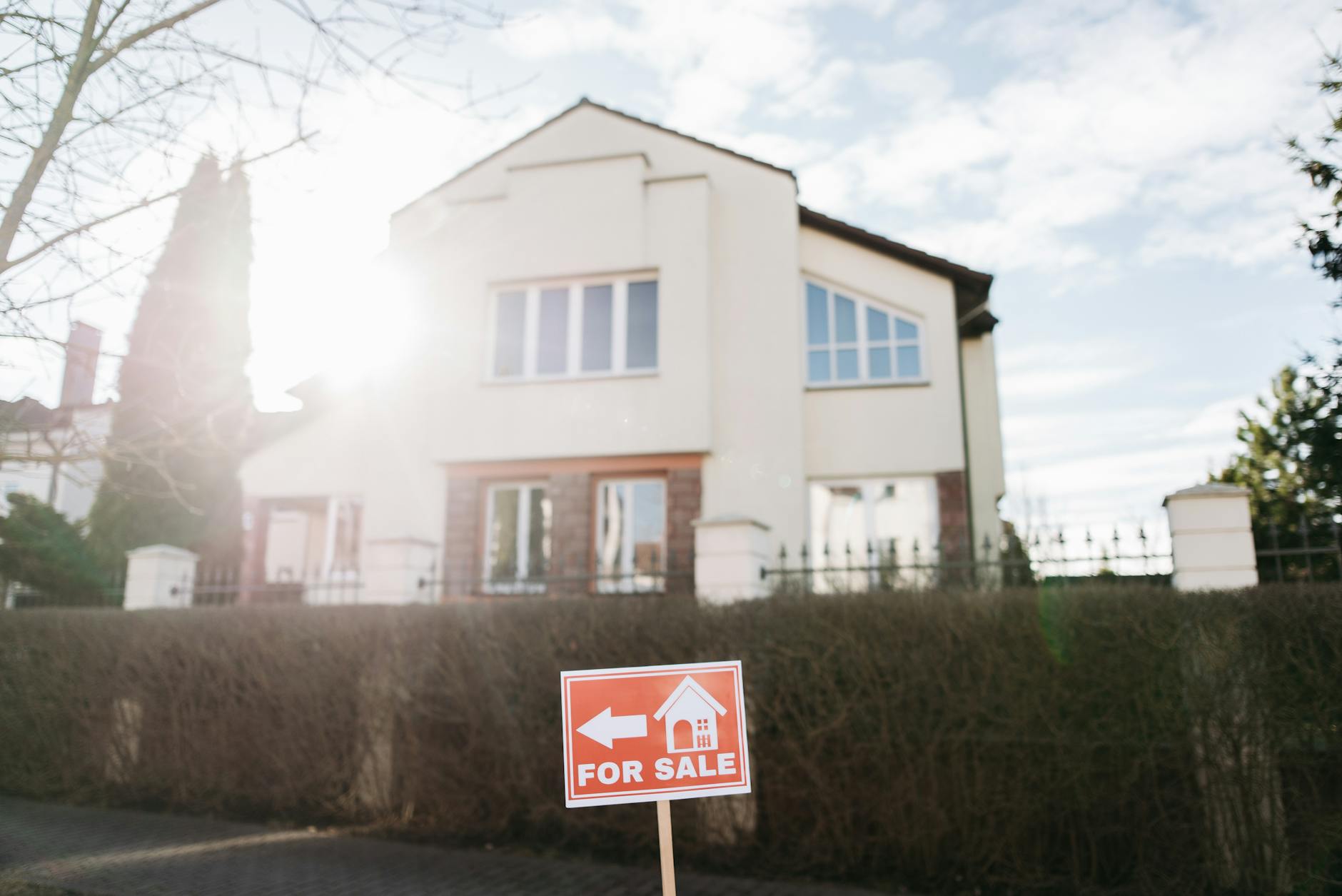
Inner‑city and eastern suburbs, while not immune, display a different stress profile. There, mortgage stress is more likely to emerge among highly leveraged professionals who purchased at premium prices in 2020–2021. Although incomes in these areas tend to be higher, the absolute size of mortgages—frequently exceeding $2 million—means even small rate changes generate enormous additional repayments. The mortgage stress ripples across Sydney - MacroBusiness data suggests that the traditionally "safe" blue‑chip suburbs are now seeing an uptick in off‑market sales and discreet refinancing inquiries, signaling that financial pressure is creeping up the income ladder.
The Rolling Fixed‑Rate Cliff and Its Macro Business Fallout
A defining feature of this cycle is the fixed‑rate mortgage cliff. During the pandemic, roughly 40% of new loans were written on fixed terms, many at sub‑2% interest rates. Those loans are now expiring in record numbers. When a borrower rolls off a 1.99% fixed rate onto a 6% variable rate, their repayment instantly rises by more than 50%. This abrupt adjustment is orders of magnitude larger than the gradual increases experienced by borrowers who were already on variable rates, and it constitutes a core reason why mortgage stress ripples across Sydney - MacroBusiness are intensifying in 2024 and 2025.
Banks, regulators, and the central bank are watching this transition closely. So far, the widely feared wave of forced sales has not fully materialised, partly because strong employment and parental assistance have kept many households afloat. However, the macro business risk remains acute. If unemployment rises—as the RBA itself forecasts—the combination of higher joblessness and higher repayments could trigger a genuine correction in property prices, erode bank capital buffers, and force a tightening of credit conditions that slows the entire economy. The mortgage stress ripples across Sydney - MacroBusiness narrative is thus a leading indicator for broader financial stability.
How Banks and Borrowers Are Trying to Ride Out the Storm
In response to the spreading mortgage stress, both lenders and homeowners are deploying a range of coping strategies. On the lender side, all major banks have expanded hardship programs, allowing temporary switches to interest‑only payments, extended loan terms, or even repayment pauses. While these measures prevent formal defaults, they do not eliminate debt—they simply push the problem into the future. The mortgage stress ripples across Sydney - MacroBusiness analysis warns that a large stock of silently stressed loans could become a drag on bank profitability if interest rates remain elevated for years.
Borrowers, for their part, are actively exploring refinancing, debt consolidation, and lifestyle adjustments. Mortgage brokers report a surge in inquiries from Sydney homeowners looking to switch to lenders offering cashback incentives or lower rates. However, the refinancing escape hatch is narrowing. As property values dip, some borrowers are discovering their loan‑to‑value ratio has risen above 80%, making them ineligible for the sharpest rates and forcing them to pay lenders mortgage insurance again. This dynamic deepens the mortgage stress ripples across Sydney - MacroBusiness because it traps stressed households in loans they can no longer afford, while removing the competitive pressure that would otherwise drive down rates.
Property Price Implications: Correction or Crash?
One of the most debated questions is whether the mortgage stress ripples across Sydney - MacroBusiness will trigger a sharp price correction or a more orderly slowdown. Sydney house prices fell about 14% from their 2022 peak to early 2023 trough, but then staged a surprising recovery as strong migration and limited supply pushed prices back toward record highs. That resilience has puzzled many analysts, because it seemed to disconnect from the clear deterioration in mortgage affordability.
The explanation lies partly in the behaviour of cash buyers and downsizers who are less sensitive to interest rates. Additionally, a tight rental market has kept investors interested, with gross yields rising alongside rents. Nevertheless, the macro business community remains cautious. If distressed sales begin to accumulate—especially in the high‑density unit market and outer‑suburban house‑and‑land packages—the resulting increase in supply could overwhelm demand and accelerate price falls. The mortgage stress ripples across Sydney - MacroBusiness are therefore best understood not as a single market crash signal, but as a growing undercurrent that makes the market increasingly vulnerable to any negative shock, whether from rising unemployment, a slowdown in migration, or global financial volatility.
Broader Macro Business Lessons for Policymakers and Investors
The Sydney mortgage stress episode offers several macro business lessons. First, it underscores the danger of relying on ultra‑low interest rates to fuel housing wealth. When credit is extraordinarily cheap, households borrow more than they can sustainably service over a full rate cycle, creating latent fragility. Second, it highlights the limited effectiveness of macroprudential regulations that focus solely on loan‑to‑value or debt‑to‑income limits at origination—these tools do not protect borrowers from the sharp repricing that occurs after the loan is taken out.
For investors, the mortgage stress ripples across Sydney - MacroBusiness reinforce the importance of stress‑testing assumptions. A leveraged property play in Sydney might have looked unbreakable in 2021, but the same asset purchased at the peak with a minimal deposit is now a serious liability. Real estate funds, superannuation portfolios, and private investors are all recalibrating their risk models, focusing more on cash flow resilience and less on capital growth speculation. On a policy level, the ripples are reigniting debates about negative gearing, capital gains tax discounts, and the need for a more balanced housing supply pipeline—all of which will shape the next decade of Sydney's economic landscape.
Frequently Asked Questions

What exactly is mortgage stress?
Mortgage stress is typically defined as spending 30% or more of household income on home loan repayments. Severe stress occurs when the ratio exceeds 50%, often leading to missed payments and hardship arrangements.
How is Mortgage Stress Ripples Across Sydney - MacroBusiness different from generic headlines?
The term links the on‑the‑ground reporting of household financial pain with a macro business lens, analysing how widespread stress impacts the banking sector, property markets, and consumer spending at a systemic level.
Are some Sydney suburbs immune to mortgage stress?
No suburb is completely immune, but areas with older, downsizing populations and low loan‑to‑value ratios—such as parts of the North Shore and Eastern Suburbs—are less exposed. The highest risk is in outer‑suburban mortgage belts that boomed during the pandemic.
Is now a good time to buy property in Sydney if others are stressed?
That depends on individual financial circumstances. While some buyers may find opportunities from motivated sellers, borrowing costs remain high, and prices have not fallen far enough to offset the increased repayment burden. Caution and careful stress‑testing are essential.
Will the RBA cut rates to relieve mortgage stress?
The RBA has signalled it will not cut rates until inflation is sustainably within the 2–3% target range. While some easing may occur in late 2024 or 2025, households should not bank on a rapid return to the low rates of 2020–2021.
Conclusion
The mortgage stress ripples across Sydney - MacroBusiness have evolved from a niche economic concern into a defining challenge for Australia's largest city. What began as a rate‑driven repayment shock is now morphing into a drawn‑out period of financial fragility, testing the resilience of households, banks, and policymakers alike. While Sydney's property market has so far avoided the dramatic crash some predicted, the undercurrent of stress is unmistakable—and it will continue to shape lending behaviour, investment strategy, and regulatory debate for years to come. Understanding these ripples is essential not just for homeowners, but for anyone with a stake in Australia's economic future.