How to Finance a Property Purchase in Australia as a Non-Resident from Hong Kong
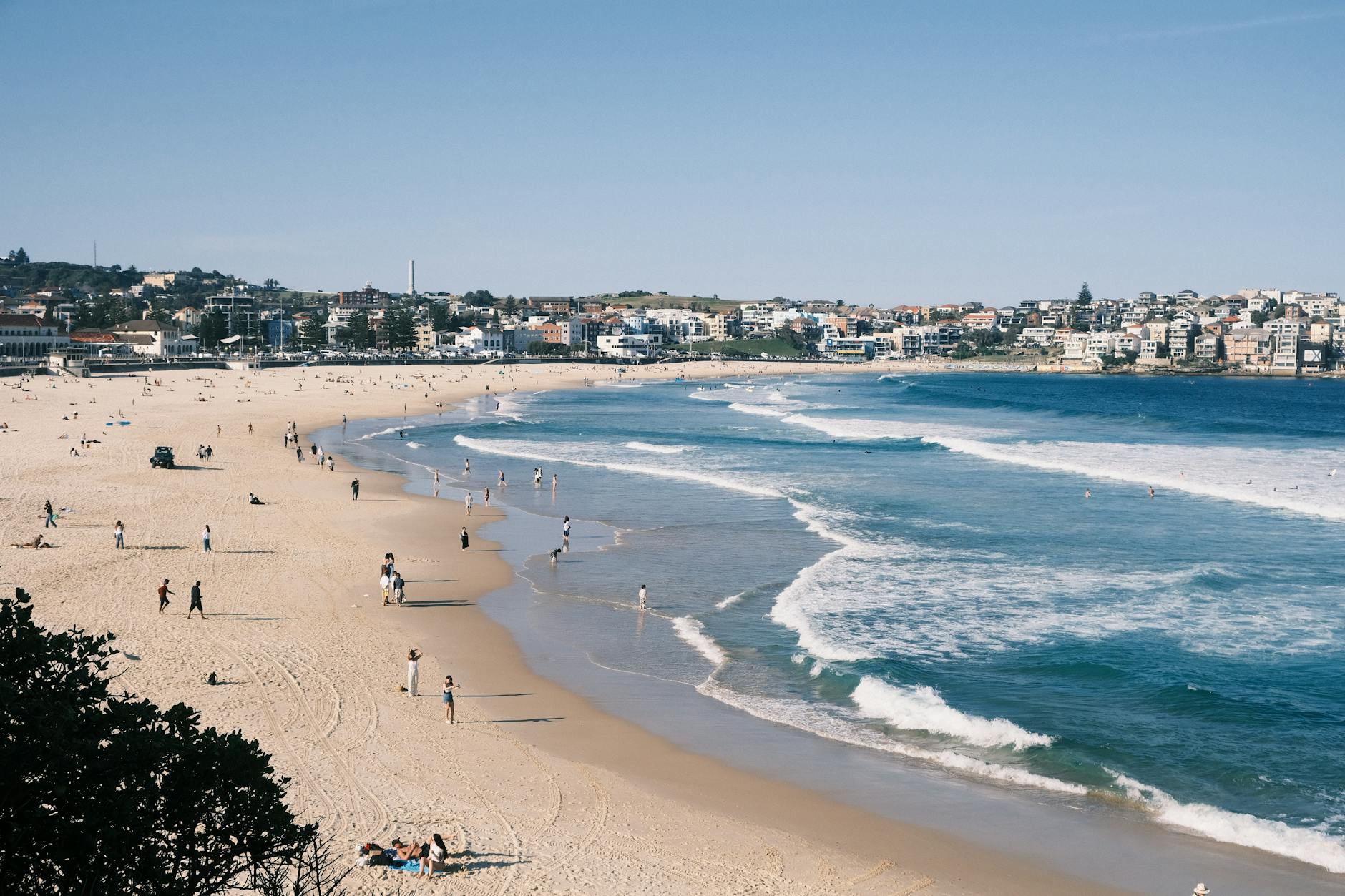
Australia’s stable property market, transparent legal system, and attractive lifestyle have long made it a favored destination for international investors. For Hong Kong residents, recent socio-political shifts and the search for diversification have accelerated interest in Australian real estate. However, financing a property purchase as a non-resident comes with unique challenges, from navigating strict lending criteria to securing Foreign Investment Review Board (FIRB) approval. This guide provides a practical roadmap for Hong Kong investors looking to finance their Australian property purchase, covering mortgage options, deposit requirements, FIRB regulations, and essential strategies for success.
Understanding the Australian Property Landscape for Non-Residents
Before diving into financing, it’s crucial to understand the types of properties available to non-residents. Under Australia’s foreign investment framework, non-residents can generally only purchase new dwellings or vacant land for development. Established (existing) dwellings are typically off-limits unless the buyer holds a temporary resident visa or meets specific exceptions, such as redevelopment that increases housing stock. For Hong Kong investors, this means focusing on off-the-plan apartments, house-and-land packages, or newly built homes.
The Australian property market has shown resilience, with prices in major cities like Sydney and Melbourne rebounding in 2023-2024 after a brief correction. According to the Australian Bureau of Statistics, the total value of residential dwellings rose to $10.4 trillion in the December quarter of 2023, reflecting strong demand. For Hong Kong buyers, the comparative affordability and rental yields in cities like Brisbane and Perth are particularly appealing, with median house prices in Brisbane around AUD 800,000 as of early 2024, compared to Hong Kong’s sky-high averages.
However, financing as a non-resident requires careful planning. Australian lenders, both major banks and non-bank institutions, have tightened their policies for foreign borrowers since 2016, but options remain available. Understanding the lay of the land is the first step to a successful purchase.
FIRB Approval: A Mandatory Step for Hong Kong Investors
What is FIRB and Why Do You Need It?
The Foreign Investment Review Board (FIRB) is the Australian government body that regulates foreign investment in residential real estate. As a Hong Kong resident (a non-Australian citizen or permanent resident), you must obtain FIRB approval before purchasing any residential property. This applies to all property types, including new dwellings, vacant land, and in limited cases, established homes. FIRB approval ensures your investment aligns with Australia’s national interest and housing policies.
Application Process and Fees
Applying for FIRB approval is straightforward but requires attention to detail. You can submit an application online through the Australian Taxation Office (ATO) website, which handles FIRB applications on behalf of the Treasurer. The application fee varies based on the property price. As of 2024, for residential properties valued at AUD 1 million or less, the fee is AUD 14,100. For properties above AUD 1 million, the fee scales up, reaching AUD 28,200 for properties between AUD 1 million and AUD 2 million, and so on. These fees are non-refundable, so it’s critical to have your financing and property choice finalized before applying.
Processing times typically range from 30 to 40 days, but complex cases may take longer. You must not enter into a binding contract until you receive FIRB approval, though you can sign a conditional contract subject to FIRB approval. For Hong Kong investors, working with a solicitor experienced in foreign investment is highly recommended to avoid delays or breaches.
Key FIRB Conditions for Non-Residents
FIRB approval comes with strict conditions:
- You can only buy new dwellings or vacant land (with a commitment to build within four years).
- You cannot rent out an established dwelling if you later acquire it under a temporary resident visa exception.
- You must notify the ATO if you acquire the property through a trust or company structure.
- Failure to comply can result in hefty fines, forced sale of the property, or even criminal charges.
For Hong Kong buyers, the process is similar to other foreign investors, but recent geopolitical changes haven’t altered Australia’s FIRB stance. The key is to factor FIRB fees and timelines into your budget and purchase plan.
Mortgage Options for Non-Residents from Hong Kong
Securing a mortgage as a non-resident is often the biggest hurdle. Australian banks have scaled back lending to foreign buyers since 2016 due to regulatory pressures, but several lenders still cater to this market. Here’s a breakdown of your options:
Australian Major Banks vs. Non-Bank Lenders
The “Big Four” banks—Commonwealth Bank, Westpac, ANZ, and NAB—historically offered foreign investor loans but now have restrictive policies. As of 2024, some may consider non-resident applications on a case-by-case basis, often requiring a larger deposit (30-40%) and proof of income in Australian dollars. However, approval is rare, and most Hong Kong investors turn to non-bank lenders.
Non-bank lenders, such as specialist mortgage providers and credit unions, are more flexible. Institutions like La Trobe Financial and Pepper Money offer products tailored to non-residents. These lenders typically:
- Accept foreign currency income, including Hong Kong dollars, with a discount applied (e.g., 80% of gross income).
- Require a minimum deposit of 20-30% of the property value.
- Offer interest rates slightly higher than standard variable rates, often starting around 6-8% per annum as of 2024.
- Allow loan terms of up to 30 years, though interest-only periods may be limited.
Loan-to-Value Ratios and Deposit Requirements
For non-residents, the maximum loan-to-value ratio (LVR) is generally lower than for residents. While Australian citizens can borrow up to 95% LVR with lenders mortgage insurance, non-residents typically max out at 70-80% LVR. This means you’ll need a deposit of at least 20-30% of the property’s purchase price. For example, on a AUD 800,000 property, you’d need AUD 160,000 to AUD 240,000 upfront, plus additional costs like stamp duty and FIRB fees.
Some lenders may offer higher LVRs for premium clients or in strong markets, but expect stricter income verification. Hong Kong investors should prepare to show consistent income from employment, business, or investments, with bank statements and tax returns translated into English.
Currency Considerations and Repayment Strategies
Since your income is likely in Hong Kong dollars (HKD), you’ll face exchange rate risk. A weakening HKD against the Australian dollar can increase your repayment costs. To mitigate this, consider:
- Fixing your interest rate for 1-5 years to stabilize repayments.
- Using a multi-currency account to hold AUD when rates are favorable.
- Setting up regular transfers from your HKD account to cover mortgage payments.
Some lenders allow you to service the loan in foreign currency, but this is rare. Most require repayments in AUD, so plan your cash flow accordingly.
Documentation Needed for Mortgage Approval
Hong Kong applicants must provide comprehensive documentation, including:
- Valid passport and proof of address.
- FIRB approval letter.
- Income proof: employment contract, recent payslips, and tax returns (last 2-3 years).
- Bank statements showing savings and transaction history (last 6 months).
- Credit report from Hong Kong (e.g., from TransUnion).
- Details of existing debts and assets.
Non-bank lenders may also require a larger cash buffer, such as 6-12 months of mortgage repayments in an Australian bank account. Engaging a mortgage broker who specializes in non-resident loans can streamline the process and help you find the best deal.
Deposit and Additional Costs: Beyond the Purchase Price
The deposit is just one part of the financial equation. Hong Kong investors must budget for a range of upfront and ongoing costs:
Stamp Duty and Government Charges
Stamp duty, or transfer duty, is a state-based tax on property purchases. For foreign buyers, a surcharge applies on top of standard rates. In New South Wales, the foreign purchaser surcharge is 8% as of 2024, on top of the standard stamp duty (which ranges from 1.25% to 7% based on property value). So, on an AUD 800,000 property, you might pay around AUD 64,000 in surcharge alone, plus standard duty. In Victoria, the surcharge is also 8%, while Queensland charges 7%. These costs can add tens of thousands to your purchase.
Legal and Conveyancing Fees
You’ll need a solicitor or conveyancer to handle the legal transfer. Fees typically range from AUD 1,500 to AUD 3,000, depending on complexity. They’ll also conduct title searches and ensure FIRB conditions are met.
Loan Application and Valuation Fees
Lenders may charge an application fee (AUD 500-1,000) and require a property valuation (AUD 300-600). Some non-bank lenders roll these into the loan, but it’s best to clarify upfront.
Ongoing Costs: Rates, Insurance, and Management
Once you own the property, expect:
- Council rates: AUD 1,000-2,500 annually.
- Water and utility charges.
- Landlord insurance: AUD 500-1,000 per year.
- Property management fees: 5-8% of rental income if you lease it out.
- Land tax: varies by state, with surcharges for foreign owners (e.g., 4% in NSW for 2024).
A practical budget for a AUD 800,000 property might look like this:
| Cost Item | Estimated Amount (AUD) |
|---|---|
| Deposit (25%) | 200,000 |
| Stamp Duty (including surcharge) | 104,000 |
| FIRB Fee | 14,100 |
| Legal Fees | 2,500 |
| Loan Application Fee | 800 |
| Valuation Fee | 500 |
| Total Upfront | 321,900 |
This table highlights the importance of having funds beyond the deposit. Hong Kong investors should ensure liquidity to cover these without overstretching.
Navigating the Loan Application Process Step-by-Step

Step 1: Assess Your Borrowing Capacity
Before property hunting, get a clear picture of your borrowing power. Use online calculators from non-bank lenders or consult a mortgage broker. Lenders will assess your income, existing debts, and living expenses. As a rule of thumb, your total debt repayments (including the new mortgage) shouldn’t exceed 30-40% of your gross income.
Step 2: Get Pre-Approval
Pre-approval gives you a conditional loan offer, showing sellers you’re serious. It’s not a guarantee, but it clarifies your budget. Provide your broker with all required documents, and they’ll submit to suitable lenders. Pre-approval typically lasts 3-6 months.
Step 3: Find Your Property and Apply for FIRB
With pre-approval in hand, search for eligible properties—focus on new builds or off-the-plan. Once you’ve identified a property, apply for FIRB immediately. Remember, you can sign a contract conditional on FIRB approval, but don’t exchange unconditionally until you have it.
Step 4: Formal Loan Application and Valuation
After FIRB approval and signing the contract, submit your formal loan application. The lender will order a valuation to confirm the property’s worth. If the valuation is lower than the purchase price, you may need to increase your deposit.
Step 5: Loan Offer and Settlement
Upon approval, you’ll receive a loan offer. Review the terms carefully—interest rate, fees, and repayment structure—with your solicitor. Once signed, the lender will prepare for settlement. On settlement day, funds are transferred to the seller, and you become the legal owner.
Throughout, maintain open communication with your broker and solicitor. Delays are common, so allow at least 8-12 weeks from contract to settlement.
Tax Implications for Hong Kong Investors
Rental Income Tax
If you rent out the property, rental income is taxable in Australia. Non-residents are taxed from the first dollar earned, with no tax-free threshold. The tax rate for non-residents starts at 32.5% for income up to AUD 120,000 (2023-2024 rates). You must lodge an annual Australian tax return, declaring rental income and claiming deductions like interest, management fees, and depreciation.
Capital Gains Tax (CGT)
When you sell the property, you’ll be subject to CGT on any profit. Non-residents are no longer eligible for the 50% CGT discount for individuals (removed in 2017), though you may still claim it if you held the property before May 8, 2012. The gain is taxed at your marginal non-resident rate. Withholding rules apply: buyers must withhold 12.5% of the sale price if the property is over AUD 750,000, remitting it to the ATO.
Double Taxation Agreement with Hong Kong
Australia and Hong Kong have a comprehensive double taxation agreement (DTA) that prevents double taxation on income. For example, if you pay tax on rental income in Australia, you can claim a foreign tax credit in Hong Kong. However, Hong Kong’s territorial tax system means you may not be taxed on foreign-sourced income unless it’s remitted. Consult a tax advisor familiar with both jurisdictions to optimize your position.
Tips for a Smooth Financing Experience
Work with a Specialist Mortgage Broker
A broker experienced in non-resident loans can access a wider panel of lenders and negotiate better terms. They’ll help you navigate documentation and currency issues. Look for brokers accredited with the Mortgage & Finance Association of Australia (MFAA) or the Finance Brokers Association of Australia (FBAA).
Build a Strong Financial Profile
Lenders favor borrowers with stable, verifiable income and a clean credit history. Before applying, reduce existing debts, save a larger deposit, and maintain consistent employment. If you’re self-employed, be prepared for extra scrutiny—provide audited financial statements and business bank statements.
Plan for Exchange Rate Fluctuations
Consider forward contracts or currency options to lock in exchange rates for your deposit and future repayments. This can protect you from adverse movements in the HKD/AUD pair. Services like OFX or TorFX offer competitive rates for large transfers.
Understand the Local Market
Research suburbs with strong rental demand and capital growth potential. Areas near universities, transport hubs, or employment centers often attract tenants. For Hong Kong investors, cities like Brisbane and Adelaide offer higher rental yields (4-5%) compared to Sydney (2-3%), improving cash flow.
Stay Compliant with FIRB and Tax Laws
Non-compliance can lead to severe penalties. Keep records of all FIRB correspondence, loan documents, and tax filings. Use a qualified accountant to prepare your Australian tax returns, and file on time to avoid interest charges.
FAQ
Can I buy an established property as a non-resident from Hong Kong?
Generally, no. Non-residents can only buy new dwellings or vacant land. However, if you hold a temporary resident visa (e.g., a student or work visa valid for over 12 months), you may buy one established dwelling to live in, but you must sell it when you leave Australia. Always check FIRB rules before making an offer.
What is the minimum deposit required for a non-resident mortgage?
Most lenders require a minimum deposit of 20-30% of the property value. Some may go as low as 20% for strong applicants, but 30% is common. You’ll also need funds for stamp duty, FIRB fees, and other costs, so plan for at least 35-40% of the purchase price in total upfront capital.
How long does FIRB approval take, and can it be expedited?
FIRB approval typically takes 30-40 days from submission of a complete application. There’s no official expedited process, but you can reduce delays by ensuring all information is accurate and responding promptly to any requests for additional details. Apply as early as possible in your property search.
Are there any restrictions on renting out my Australian property?
As a non-resident, you can rent out your new dwelling without restrictions. However, if you bought an established dwelling under a temporary resident exception, you cannot rent it out—it must be your primary residence. Always check your FIRB approval conditions.
How does the Hong Kong-Australia double tax agreement affect my property investment?
The DTA prevents you from being taxed twice on the same income. For example, if you pay Australian tax on rental income, you can claim a credit against your Hong Kong tax liability. However, since Hong Kong generally doesn’t tax foreign-sourced income, you may only pay Australian tax. Consult a cross-border tax specialist to structure your affairs efficiently.
References
- Foreign Investment Review Board – Residential Real Estate
- Australian Taxation Office – Foreign Investment in Residential Real Estate
- Australian Bureau of Statistics – Residential Property Price Indexes
