

Off-the-plan purchases are when you buy an apartment (or sometimes a townhouse) from plans before it's constructed. This is common in new residential developments. Here's what you need to know.
Benefits of off-the-plan:
Price: you often get a better price than you would buying the same property once it's completed. Developers offer incentives to pre-sell units because it secures funding for the project.
Choices: you might choose finishes, colors, or layouts before construction. This personalization isn't available in finished properties.
Depreciation: brand-new properties have full depreciation benefits (2.5%/year on the building value), which is valuable for investors.
FIRB advantages: foreign buyers have much better approval odds for off-the-plan purchases than existing property.
Risks of off-the-plan:
Completion delay: projects frequently take longer than promised. You might wait 2–3 years beyond the estimated date. This is costly if you're paying interest-only during the delay.
Price drops: once the development is complete, market prices might fall. You're locked into your purchase price while surrounding properties might be cheaper. You've overpaid.
Build quality: you don't inspect the property before purchase. Build quality, finishes, or structural issues might appear after you own it (warranty issues, defects).
Market risk: property values might decline. You're buying into a new development with no rental history (if investment property) or market performance.
Design changes: developers sometimes change designs, floor plans, or finishes during construction. Your unit might not match the original concept.
Body corporate issues: new developments often have high body corporate fees initially (while the building settles) or special levies for defects.
Financing challenges:
Lenders assess off-the-plan properties differently. You need:
- Clear development approval
- Reputable developer with track record
- Clear title and ownership
- Satisfactory building inspections (once built)
Some lenders won't lend on off-the-plan until the building is nearing completion or finished. This limits your financing options early in the project.
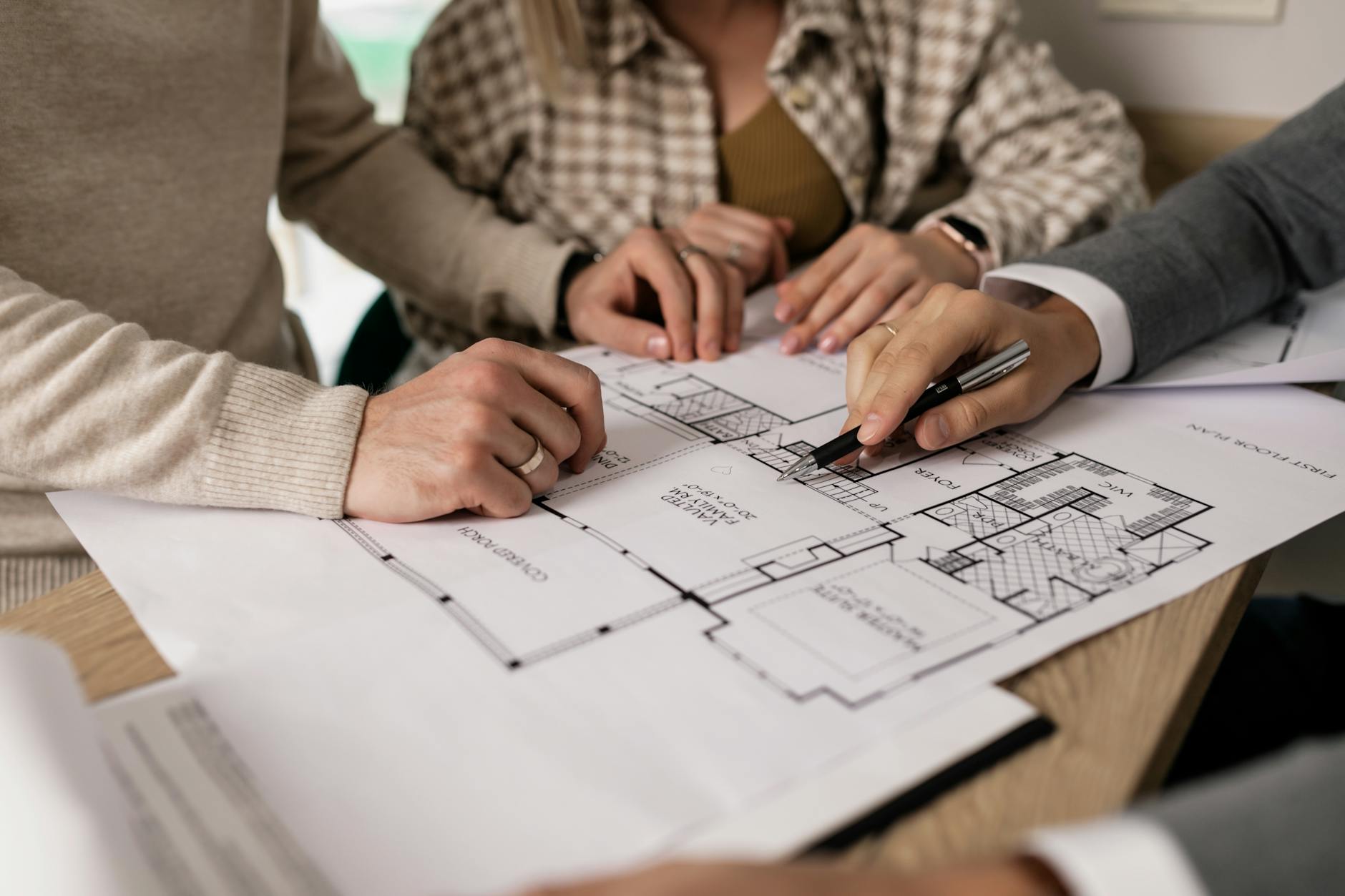
Contracts:
Off-the-plan contracts are different from purchase contracts. You're committing to a future, unknown property. Key issues:
- Completion date: get a firm date (or at least a date range with penalties for delay)
- Price: confirm it's fixed (some contracts allow price adjustments)
- Deposit: typically 10% of purchase price, paid in stages
- Cancellation: what happens if you want to cancel? (Usually you forfeit deposits.)
- Building defects: what's the developer's liability for defects?
Real scenario:
You're buying off-the-plan in a new apartment development.
Offer: AUD 600,000 Deposit: 10% (AUD 60,000), paid in two stages (AUD 30,000 at 6 months, AUD 30,000 at 12 months) Completion: estimated 24 months from signing
Risks you face:
- Development delayed 12–18 months (not uncommon)
- Market prices fall; comparable units now sell for AUD 550,000 (you're AUD 50,000 overpaid)
- Interest rates rise; your financing costs increase
- Builder finds structural issues; completion delayed further
- Body corporate fees turn out to be AUD 500/month (higher than industry average)
You're committed to AUD 600,000, have paid AUD 60,000 in deposits, and have no easy exit.
What to do:
- Buy off-the-plan only from reputable developers with a strong track record
- Get a building and defects warranty (7-year structural warranty is standard)
- Ensure your finance is pre-approved and locked in (rates locked for the project duration)
- Build in contingency for delays (budget for 12+ months beyond estimated completion)
- Have an off-the-plan specialist (lawyer or buyer advocate) review contracts
- Inspect the building once it nears completion and before settlement
Investor perspective:
Off-the-plan can be attractive for investors because of depreciation benefits and initial price discounts. But the delayed completion and price risk are real.
Many investors buy off-the-plan, experience delays, and end up with properties worth less than they paid. The depreciation benefit doesn't always offset this.
My take:
Off-the-plan works if:
- You're buying from a tier-1 developer with a solid track record
- You're buying in a strong market (Sydney, Melbourne) where prices are likely to hold
- You have contingency funds for delays and cost overruns
- You're willing to take the risk
Off-the-plan is riskier than buying completed property. Weigh the upfront price discount against the completion and market risks. For most first-time buyers, buying an existing property is safer and simpler.
If you do buy off-the-plan, have professional support (lawyer, buyer advocate) review the contract and protect your interests.