
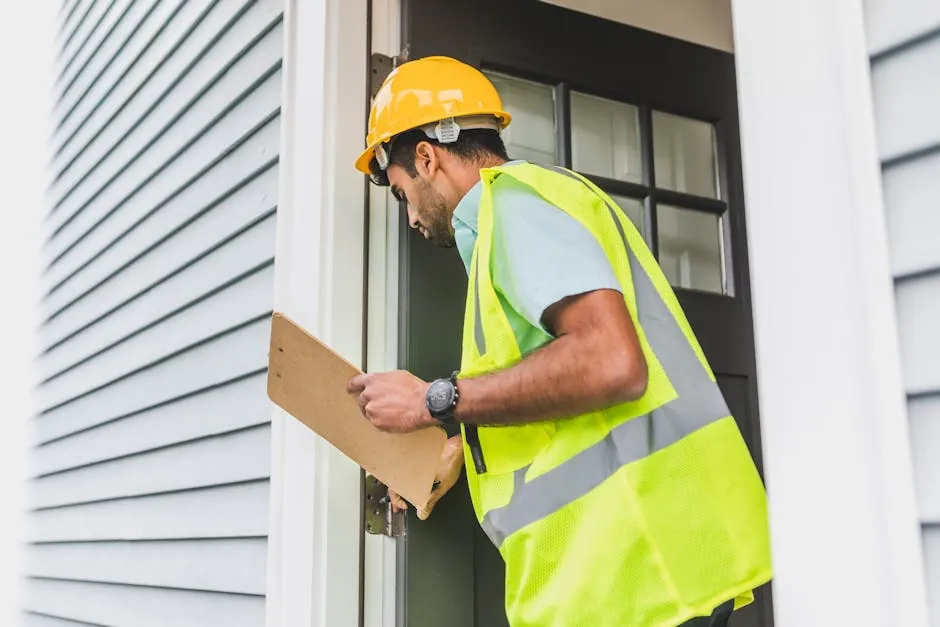
A building and pest inspection is one of the most important (and cheapest) risk-management tools available to a home buyer. It typically costs AUD 300–AUD 600 and can save you tens of thousands of dollars.
Here's what a building inspection covers:
Foundation and structural elements: the inspector checks for cracks, subsidence, or movement that suggests structural problems.
Roof and guttering: condition of tiles, flashing, gutters, and downpipes. Water damage here is expensive to fix.
Walls and cladding: looking for cracks, rot, water damage, or loose cladding.
Windows and doors: seals, frames, functionality.
Drainage: visually checking drainage systems for blockages or damage.
Plumbing: checking for leaks, corrosion, and proper venting.
Electrical: verifying the electrical panel is safe and modern (though a full electrical inspection requires a licensed electrician).
Pest inspection covers:
Termite damage: termites can cause catastrophic structural damage. A termite inspection is critical in Australia.
Rot and decay: fungal damage in timber.
Other pests: evidence of rodents, birds, or other infestations.
Here's why this matters: a property that looks fine cosmetically might have hidden structural or pest issues. A beautiful kitchen and fresh paint hide potential disasters underneath. An inspection reveals these before you commit to the purchase.
A realistic scenario: you fall in love with a AUD 600,000 home, make an offer, and it's accepted. You skip the inspection to save AUD 500 (seems reasonable at the time). After settlement, you discover termite damage in the foundation—repair cost AUD 25,000. Now you're stuck. The seller isn't responsible (you bought it "as is" post-settlement), and your insurance won't cover it (termite damage is usually excluded for properties you've recently bought).
If you'd done the inspection, you'd have negotiated the AUD 25,000 off the price, or walked away entirely.
The inspection process:
- Make an offer conditional on a satisfactory building and pest report
- Arrange an inspection (3–10 days after offer accepted is typical)
- Pay the inspector (around AUD 500)
- Review the report (usually within a few days)
- Negotiate based on findings, or walk away if major issues arise
Important: negotiate the outcome before signing contracts. Once you've signed unconditional contracts, you're committed. The inspection is your leverage—use it to negotiate repairs, price reductions, or exit if needed.
Red flags in an inspection report:
- Structural cracks or movement
- Termite damage or active termites
- Significant roof damage
- Water damage or wet rot
- Electrical hazards
- Asbestos (in properties built pre-1990s)
If the report lists major issues, get a second opinion from a specialist (structural engineer, electrician, plumber). Sometimes minor issues are blown out of proportion; other times they're under-reported.
Strategically: if the inspection reveals AUD 15,000 in needed repairs, you have options—ask the seller to fix it, ask for a AUD 15,000 price reduction, or walk away. The negotiating power is yours if you've got a conditional contract.
One more thing: never skip the inspection to save money. It's one of the cheapest insurance policies you can buy. For AUD 500, you're protecting a AUD 600,000 purchase. The ROI is enormous.
A building and pest inspection is non-negotiable. Always include it as a condition of your purchase, and always act on findings.